

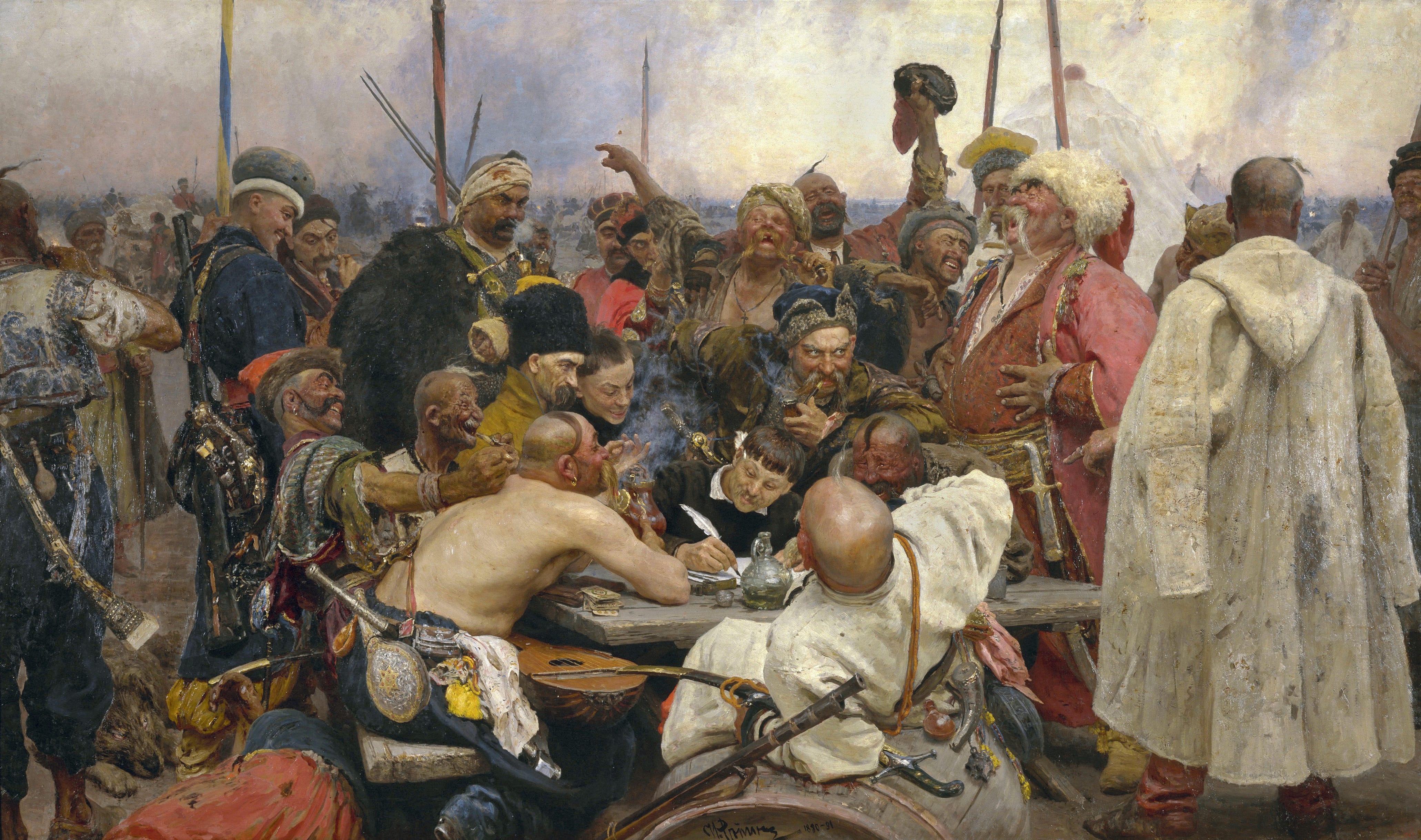
Mark Arnold has visited Ukraine four times since February 2022. This article provides his excellent technical analysis of the state of the Russia-Ukraine war. The article has been carefully edited to exclude information that can be of meaningful use to the Russian Federation.
The conflict in Ukraine is a dynamic theater of war that has seen an evolution in military tactics and technology. Both Ukrainian and Russian forces have been adapting to these changes, creating a complex and increasingly lethal battlefield.
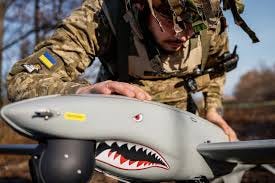
One of the most significant developments has been the increased utilization of drones. Initially, Ukrainian forces were able to leverage their superior drone capabilities for better battlefield awareness and targeting. However, recent advancements have seen a shift, with Russian drones now dominating the airspace. These drones have become crucial in carrying out Russian deep-strike missions and disrupting Ukrainian military movements, effectively changing the dynamics of ground operations.
Parallel to drone warfare, electronic warfare (EW) has emerged as a critical aspect of the conflict. Russian forces have cultivated superior EW capabilities, rendering some U.S.-supplied systems less effective. Russia also has an advantage in thermal imagery. Despite this, Ukrainian forces have shown resilience and adaptability, maintaining operational effectiveness when Russian EW systems are offline.
Challenges in Air Superiority and Artillery Operations
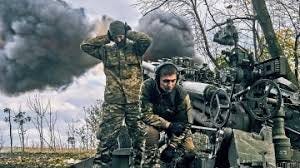
Air superiority remains a difficult issue, with Russian aircraft and helicopters exerting significant pressure due to their longer-range capabilities. This situation has prompted Ukraine to request advanced air defense systems to mitigate this challenge. On the ground, the situation is similarly adverse. Following a brief period of parity, Russian forces possess a greater volume of artillery systems and munitions, further complicated by their use of mine-dispersing munitions.
In response to these evolving dynamics, Ukrainian forces have had to adapt their tactics and capabilities by shifting to more dismounted operations to counter the threat. Additionally, Ukraine is employing GPS-guided civilian drones in innovative ways to counter Russian EW abilities.
Collaboration has become a cornerstone of Ukrainian military strategy. Drone operators and tactical operations centers work in unison, using platforms like Discord for effective communication. This synergy is crucial in locating and identifying targets. However, despite these tactical adjustments the lack of investment in deep defensive belts compared to Russian efforts remains a strategic concern. Ukraine’s ability to adapt will be crucial in determining the future course of the war.
The Role of Western Armored Vehicles and Weapons Systems
Ukrainian forces have expressed gratitude for the superior armor of Western vehicles, which has been a significant advantage – especially with regards to crew survivability. However, challenges with maintenance and repair have led to considerable equipment downtime, affecting operational readiness.
In terms of artillery, concentration and precision are key to the success of Ukrainian offensives. The use of Western artillery systems has been favorable due to their mobility and accuracy. The effectiveness of mortars, particularly those with fragmentary munitions, has been highlighted as crucial for both defensive and offensive operations.
Morale and Recruitment
Morale within the Ukrainian military is a multifaceted issue that significantly impacts the effectiveness of the forces. The Ukrainian soldiers are known for their high motivation and resilience, almost always outperforming their adversaries due to a strong commitment to their cause. However, this high spirit is tempered by concerns over leadership and training.
The crux of the issue lies in the training methods and the effectiveness of the senior leadership, both of which are perceived as remnants of outdated, post-Soviet military structures. These concerns are not just isolated opinions but are widespread, forming a significant part of discussions among both soldiers and commanders on the frontline. The inadequacy in training for recruits and the misallocation of volunteers based on their skill sets have led to a noticeable decline in volunteerism, which is further exacerbated by the reluctance of some soldiers to participate in offensive operations.
The shift in military recruitment patterns reflects these issues. The initial surge of enthusiasm and volunteerism witnessed in early 2022 has waned. Strategic decisions and battlefield losses, coupled with the increasing visibility of casualties and injuries within communities, have contributed to this change in public sentiment. There is an overwhelming consensus among tactical leaders at the Brigade level and below that overcoming a numerically superior enemy requires significant qualitative improvements, particularly in leadership, training, and the development of maintenance capacities for Western equipment.
Essential Weaponry for Ukrainian Military Success
The Ukrainian military requires key weapon systems to gain tactical advantages and effectively counter Russian abilities.
Air Dominance Through Advanced Aircraft: Achieving local air dominance is a primary objective. Ukraine needs F-16s equipped with all the advanced munitions it is capable of carrying and supported by Electro Counter Measures.
Strategic Use of Cruise Missiles: Cruise missiles are essential for deep operations, particularly for countering Russian air defense systems and targeting strategic locations like air and naval bases. They are also crucial for disabling key infrastructure such as the Kerch Bridge, thereby isolating Crimea. NATO partners have hundreds in supply.
Army Tactical Missile Systems (ATACMS): Identified as ideal for deep strike operations, a significant number of these missiles are required for effectiveness. Block II and Block IA Unitary munitions are required for range and ability to destroy hard targets.
Advancements in Electronic Warfare Systems: Keeping up with the rapidly evolving electronic warfare capabilities is critical. Systems that can counter enemy drones are highly prioritized.
Mobile Counter-Battery Detection Systems: Mobility and rapid displacement capabilities are essential to detect and neutralize Russian threats.
Requirement of Armored Vehicles: A range of Western armored vehicles, equipped with thermal imaging, is vital for decisive offensive operations.
Addressing morale issues through improved training and leadership, coupled with the provision of essential weapon systems, is key to enabling Ukrainian victory. As the war evolves, Ukraine’s ability to recruit will play a crucial role in determining the resilience of its defenses.
Repair and Maintenance
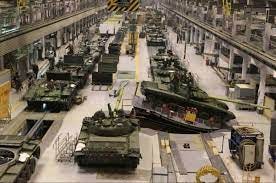
The Ukrainian military is confronting significant challenges with equipment maintenance, resulting in greatly diminished operational effectiveness. A primary concern is the maintenance of mission-capable equipment, especially the systems supplied by Western allies. Commanders are apprehensive about Ukraine’s ability to handle prolonged conflict scenarios where efficient maintenance and logistics play a decisive role. To bridge this gap, a joint venture company could be introduced, functioning within Ukraine to expedite the repair and maintenance process. This solution requires a blend of technical expertise, adequate replacement parts, and support from Western governments. It also involves training Ukrainian technicians and managers to replace the Western talent that begins this enterprise.
Training Deficiencies
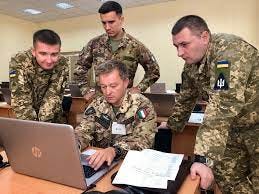
Another issue is the inadequate training of Ukrainian soldiers. Often, the training provided is superficial, requiring frontline leaders to convert civilians into soldiers. The officer corps, still influenced by outdated post-Soviet methodologies, lacks the comprehensive training standard of Western militaries. This situation has resulted in a force whose capabilities are comparable to Russian standards, highlighting an urgent need for qualitative enhancement.
The scale and relevance of the training provided by NATO partners are insufficient to make a substantial impact on the Ukrainian military. While external training programs, such as those conducted by NATO allies, offer certain benefits, they fail to address the unique challenges of the Ukrainian battlefield. These programs tend to focus on scenarios like close-quarter battles in intact structures, which are not representative of the conditions faced by Ukrainian forces. Consequently, there’s a disconnect between the training provided and the realities of combat in Ukraine. In response to these challenges, Ukrainian officers are drafting a training plan for execution in Ukraine so it can be achieved on a scale that prepares its military for victory. The implementation of these comprehensive training plans is essential for enhancing the operational effectiveness of the Ukrainian military.
Overcoming Leadership Challenges
The Ukrainian military is grappling with significant leadership challenges, necessitating a profound shift in command practices and culture.
Addressing the Trust Deficit: A pervasive lack of trust in senior leadership, perceived as entrenched in outdated post-Soviet methods, is a major concern. This has led to a diminishing volunteer spirit and overall morale.
Combatting Resistance to Change: Resistance from senior leaders, especially among generals and colonels, to move away from centralized, fear-based command styles, is a significant obstacle. This resistance is impeding the development of mutual trust and effective military operations, necessitating the removal or retirement of leaders who cannot adapt.
Poor Executive Management: The prevalent poor management skills of senior leaders, marked by inadequate communication and collaboration, have led to high casualties, ineffective units, and failed missions.
Leadership by General Zaluzhnyi: General Zaluzhnyi stands out as a positive example, widely trusted for his transparency and concern for soldiers. However, his efforts are sometimes counteracted by political maneuvering within the military.
The Success of the 3rd Assault Brigade: Stationed at Bakhmut for over ten months, this unit exemplifies the positive outcomes of continuous training and a leadership style that prioritizes the welfare of soldiers and collaborative planning, demonstrating that effective training and leadership can be sustained even in active deployment.
Concluding Strategic Recommendations
To overcome the strategic challenges highlighted in this report, it is critically important for the following reforms to be implemented.
Holistic Training Implementation: There is an urgent need to implement training programs at all levels, from brigades to the highest echelons of command. This includes the principles of Mission Command which enables trust of leadership and effective operations. It also requires unit training up through Brigade levels.
Young Officer Promotion: The resistance expected from senior leaders to the proposed cultural changes necessitates empowering General Zaluzhnyi with broad authority, including the power to remove and retire unyielding senior officers. Promoting young officers with combat experience and training to key positions is pivotal for cultivating a new leadership culture.
Engagement and Support from the U.S.: The U.S. government should conduct frank discussions with Ukrainian leaders about these findings. It should also provide the requested lethal aid expeditiously, and this support should be linked to Ukraine's progress in implementing these recommendations. If these reforms are properly implemented with the necessary U.S. support, they can begin to enable decisive battles in 2024 and a negotiated peace in 2025.
Retired Brigadier General Mark Arnold is a distinguished military leader with a 37-year career including three special operations combat tours who served in such high-profile roles as Commanding General of the 100th Division. He also achieved success in the corporate world, holding executive positions at companies like GE and GSE Lining Technologies, which he led through a successful IPO on the New York Stock Exchange as President and CEO. Arnold's notable recognitions include the Distinguished Service Medal, induction into the Ohio University Army ROTC Hall of Fame, and various civic contributions, including his role as a Trustee of Ohio University’s Foundation Board.
What a comprehensive overview of what has to become, despite congressional Republican obstruction, a critical focus of our policy and support. If we don’t invest in the fight Ukraine is living and dying for, we are gambling with a war involving all our NATO partners. And ourselves.
I appreciate your candor but with these putin sympathizers in our government, ukraine can't survive. What happened to McConnell and the rest who were for the support of ukraine.. I guess he is once again seeing the Trump on the wall and falling in line. I feel so helpless. I call , I write, I vote, I donate, what else can I do. Those butt heads in congress and now in the senate are just digging in more. I said it before, these actions say a lot more about us than it does them. Biden is thinking these people negotiate, but he openly gave concessions and then congress decided to move the line for more. This is a failing government and all the line ups for Hitler.