

Dear Readers,
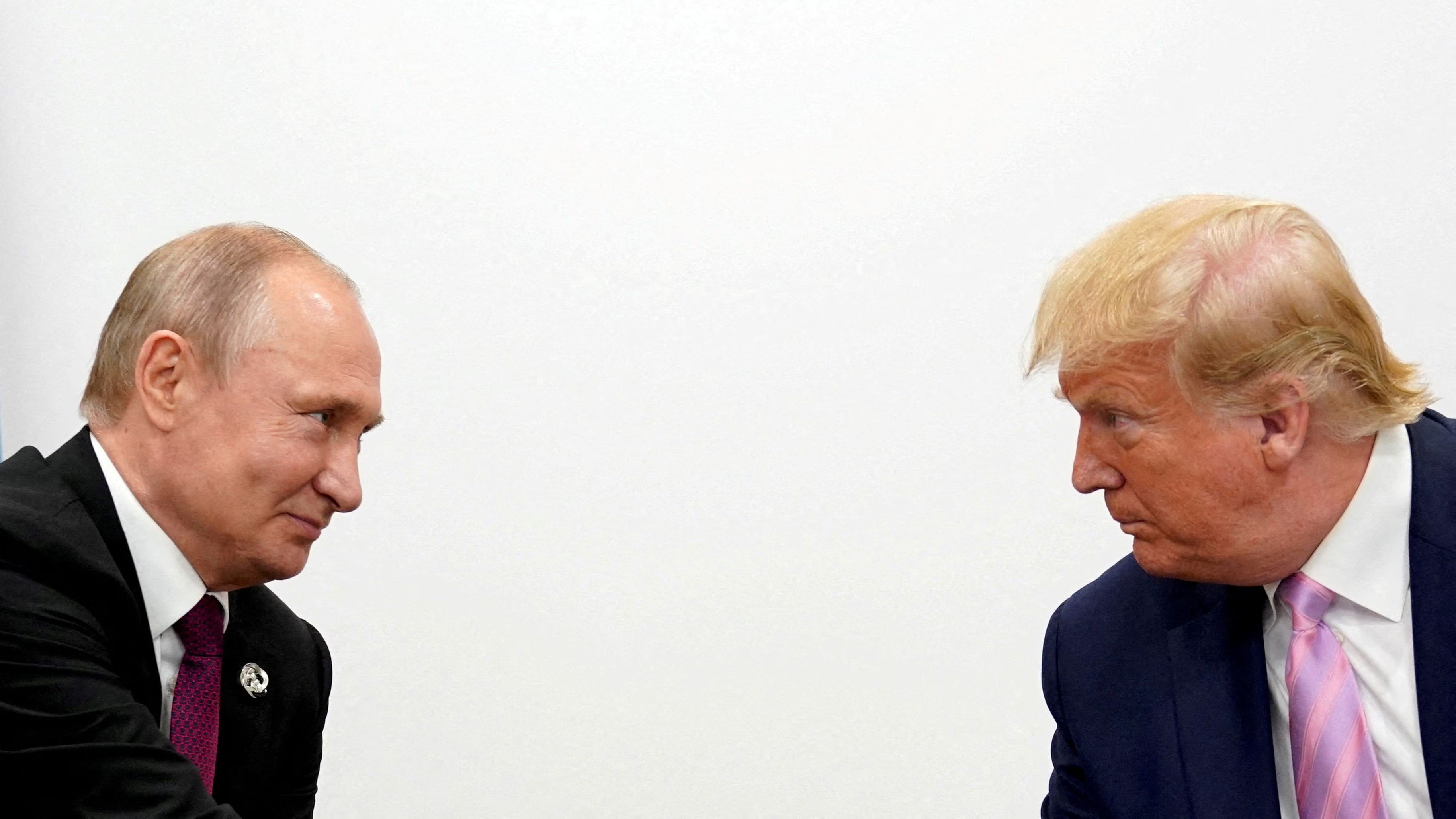
Like many of you, I’m closely watching the lead-up to the United States–Russia summit in Alaska (I’ll be sharing a full analysis soon). Even before the talks begin, the Russian government’s demands have tilted the playing field in Moscow’s favor and Washington’s handling of them has made matters worse. According to recent reporting, chief U.S. envoy Witkoff first claimed that Russia was prepared to withdraw from the oblasts of Kherson and Zaporizhzhia in exchange for all of Donetsk. He later revised this to a freeze along the current line of contact, and finally to a ceasefire contingent on Ukraine’s complete withdrawal from Donetsk. This cascade of shifting statements — whether born of negligence, misinterpretation, or deliberate spin — has undercut U.S. and allied preparations for what may be the most geopolitically consequential summit in years. The problem is not just that the summit is ill-conceived; it is that its architects are repeating and magnifying the same errors that have plagued U.S. policy toward Russia for decades.
When I wrote in the New York Times after the Biden-Putin meeting in Geneva that Putin would emerge with symbolic victories unless the U.S. and its allies imposed real costs for Russian aggression, that assessment proved correct — and today’s circumstances show just how far those mistakes can snowball when neglected. But I also overestimated the Biden administration’s willingness to follow through on its early signals of resolve, and underestimated just how easily Trump would turn an already flawed policy tradition into a reckless and ill-prepared spectacle. The Alaska summit is not an aberration; it is the culmination of years of misjudgments, now stripped of even the modest discipline that once constrained them.