

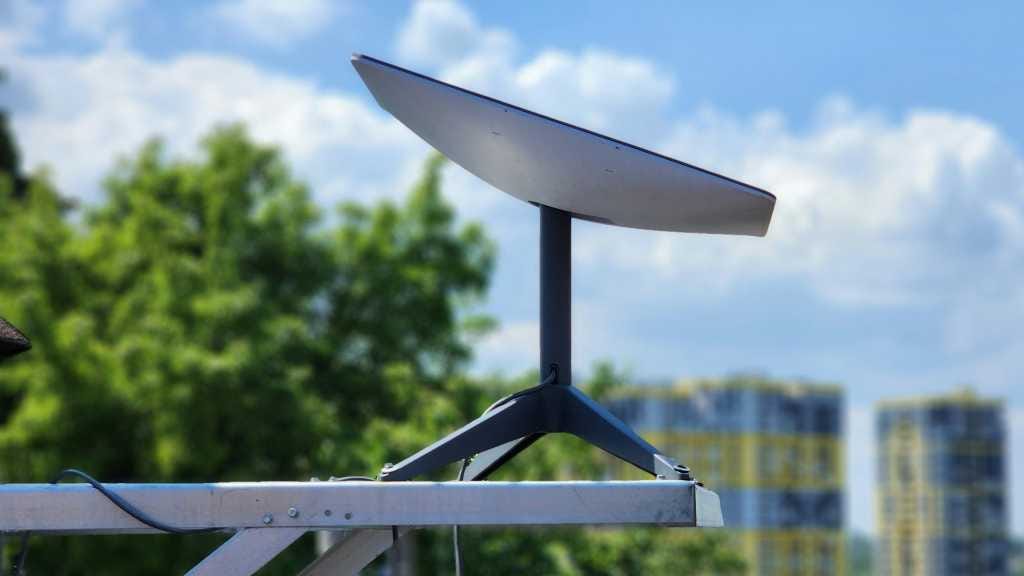
On October 14, Ukraine faced another night of Russian ballistic missile attacks without the reliable advance warning it had come to expect from the United States. Around the same time, Ukrainian forces discovered that their Starlink and Starshield connections had been restricted. Drones lost connectivity, missions were disrupted, and Ukraine is left more exposed to future air attacks.
Elon Musk offered an explanation that should concern every American ally and any American trading partner dependent on U.S. technology and industrial products. Decisions about the use of Starshield, he wrote, are made by the U.S. military and, ultimately, the president. The White House characterized the disruption as a glitch, while Ukrainian officials questioned whether it was deliberate. Recent reporting has Musk proposing to Trump restrictions on Starshield services. While the precise chain of responsibility remains disputed, the strategic implications could end up being disastrous.
Governments around the world are seeing a demonstration of what happens when a government and a critical technology provider collude to restrict critical service to a country. Trump’s and Musk’s petulance, vindictiveness, and transactional ego-driven self-service will have real economic and geo-political consequences.
On the National Security Council, I saw this problem from the other side.
